Nearly 40 Participants
Women aged 20–30 who regularly use social media for makeup inspiration and maintain established beauty routines.
An exploratory beauty experience that helps users move beyond algorithm-led inspiration and build their own aesthetic judgment.
Scroll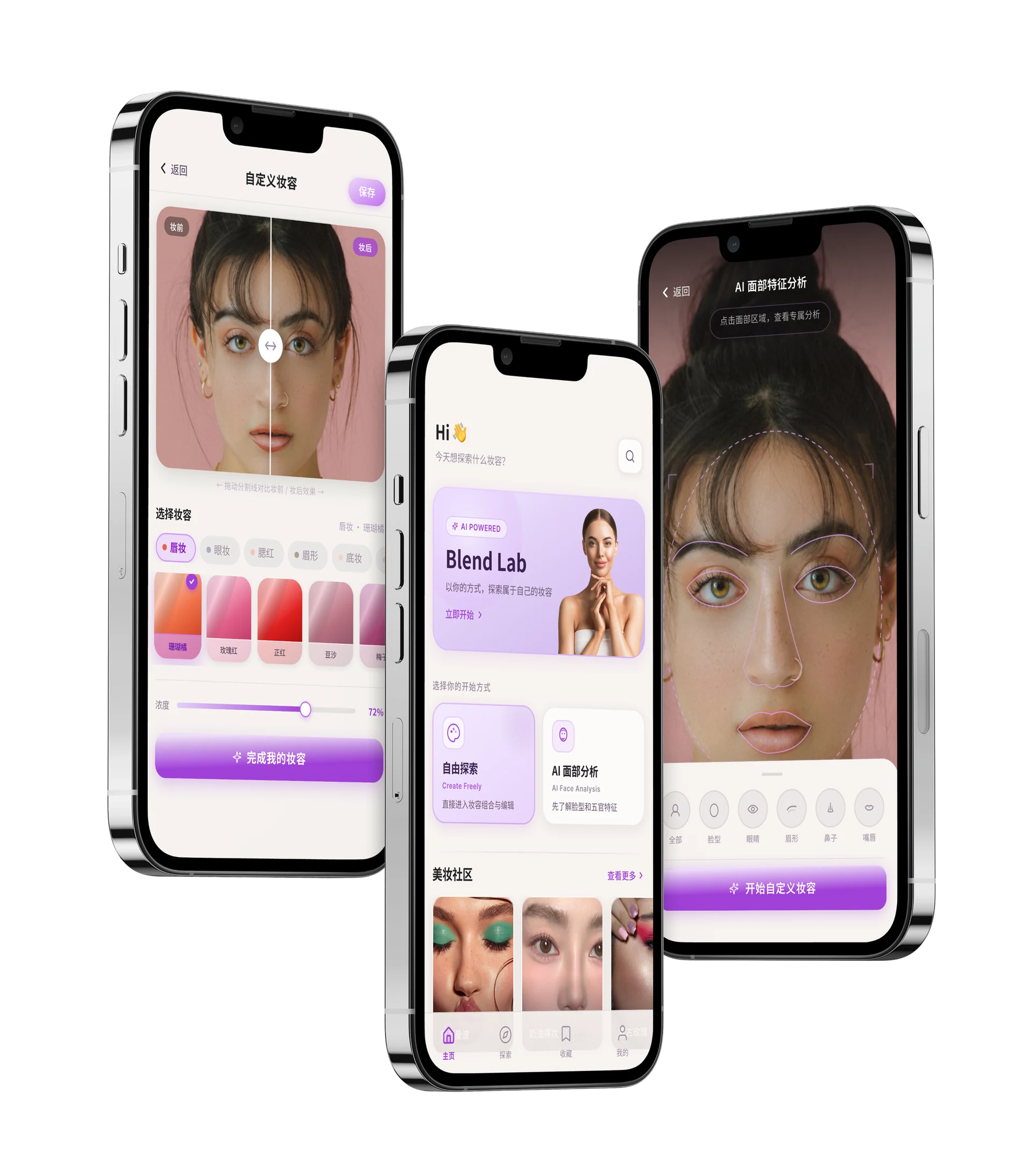
Nearly 40 Participants
Women aged 20–30 who regularly use social media for makeup inspiration and maintain established beauty routines.
Beauty users are not lacking inspiration.
They lack understandable feedback that helps them recognize why a makeup style works—or does not work—for their own facial features.
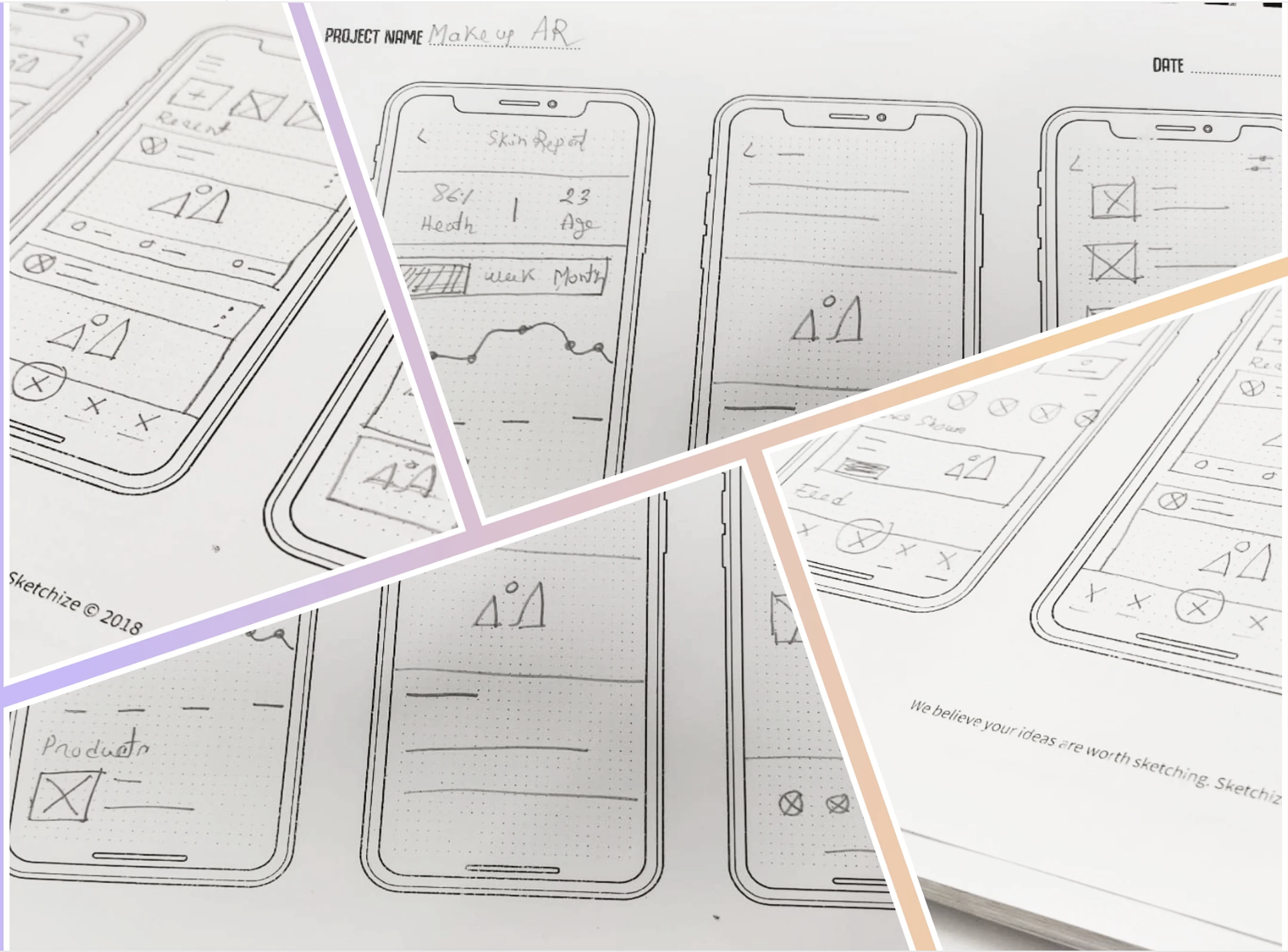
I conducted user interviews to learn more about how beauty users search for inspiration and evaluate makeup references.
Participants revealed that they often chose makeup looks from creators they were interested in and used those looks as references while applying their own makeup. However, during the actual process, they frequently found that the results on their own faces did not match their expectations.
In the makeup selection process, users are not unwilling to experiment. What they lack is feedback that helps them understand why a look does or does not work for them.
Core Problem
Users' makeup experiences form a repeating loop:ExperimentLack of meaningful feedbackUnable to build judgmentContinue relying on external templates
How might we help beauty users understand why a makeup look works for their own facial features, so that each experiment builds reusable judgment rather than reinforcing dependence on external references?

AI 面部特征分析
AI 综合分析
面部轮廓柔和,五官分布均衡,整体比例协调。系统将分析结果转化为可理解的妆容探索线索。
上庭、中庭、下庭关系自然。
眼距与面宽比例稳定。
整体美感偏清透、亲和,适合从轻量修容和局部色彩开始探索。
The interactive analysis helps users understand their face shape, feature proportions, and beauty characteristics before exploring makeup adjustments. Instead of giving a fixed beauty answer, it turns AI feedback into readable cues for personal experimentation.
自定义妆容
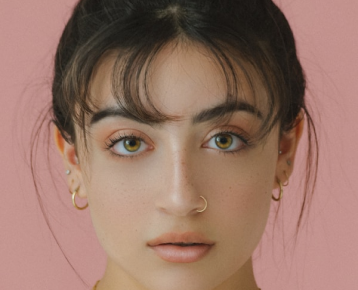
← 拖动分割线对比妆前 / 妆后效果 →
Users can freely combine makeup elements and adjust styles, instead of having AI automatically match the “most suitable makeup,” to create their own aesthetic definition.
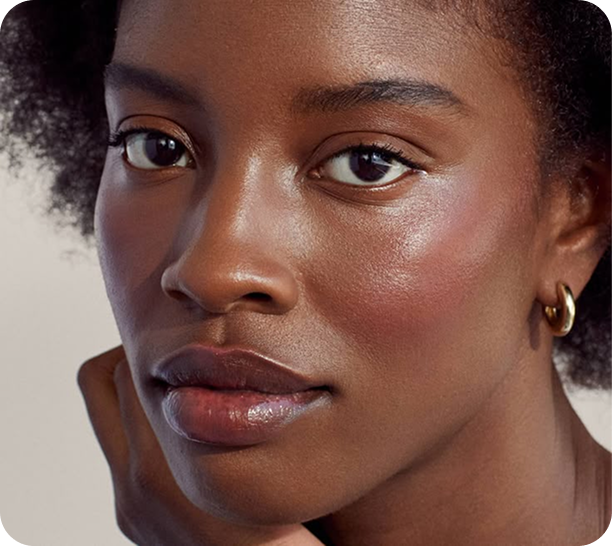 自然妆容
自然妆容蜜桃柔光妆
使用 Blend Lab 创作
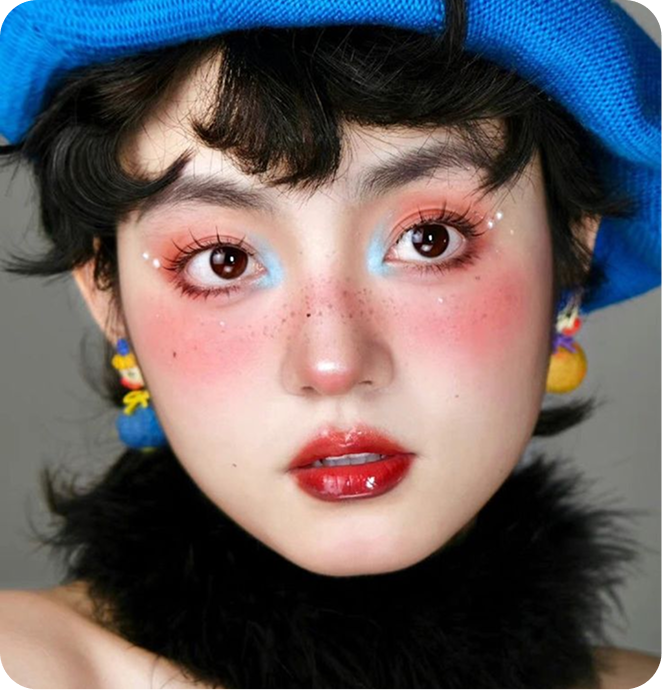 创意妆容
创意妆容甜酷红唇妆
使用 Blend Lab 创作
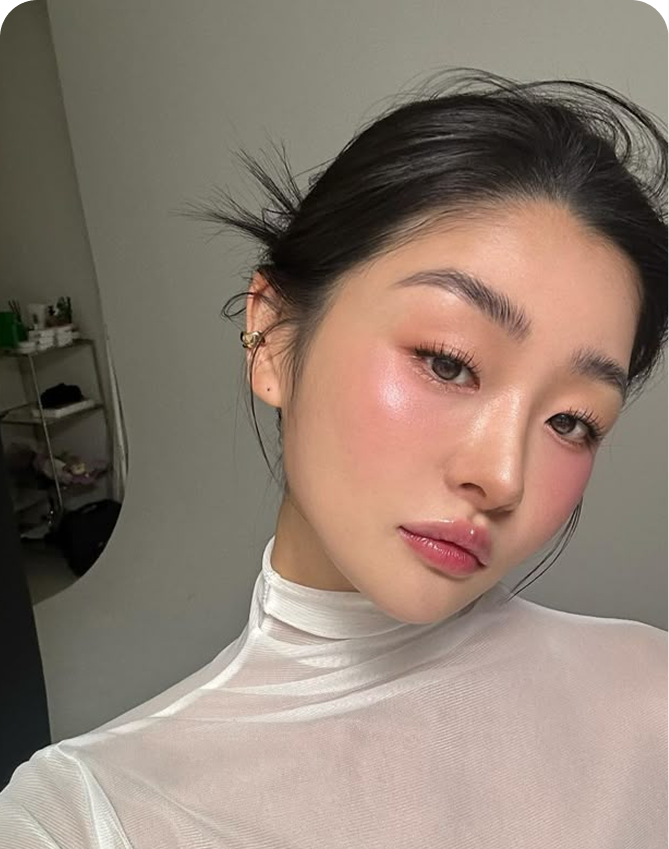 韩系美妆
韩系美妆自然水光肌
灵感来源:韩系美妆
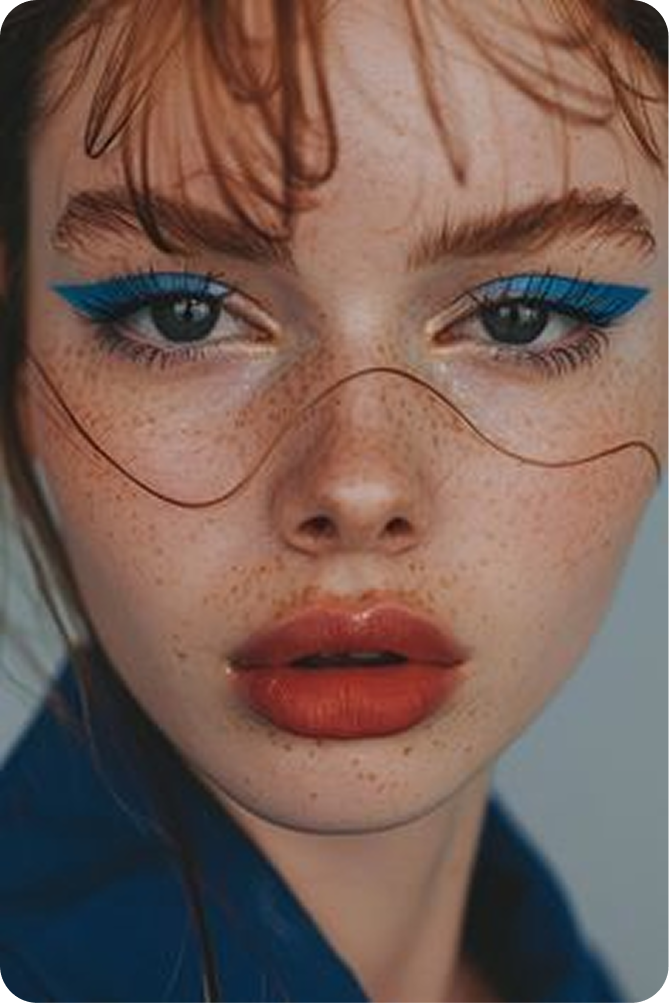 杂志大片
杂志大片电光蓝色眼妆
灵感来源:杂志妆容
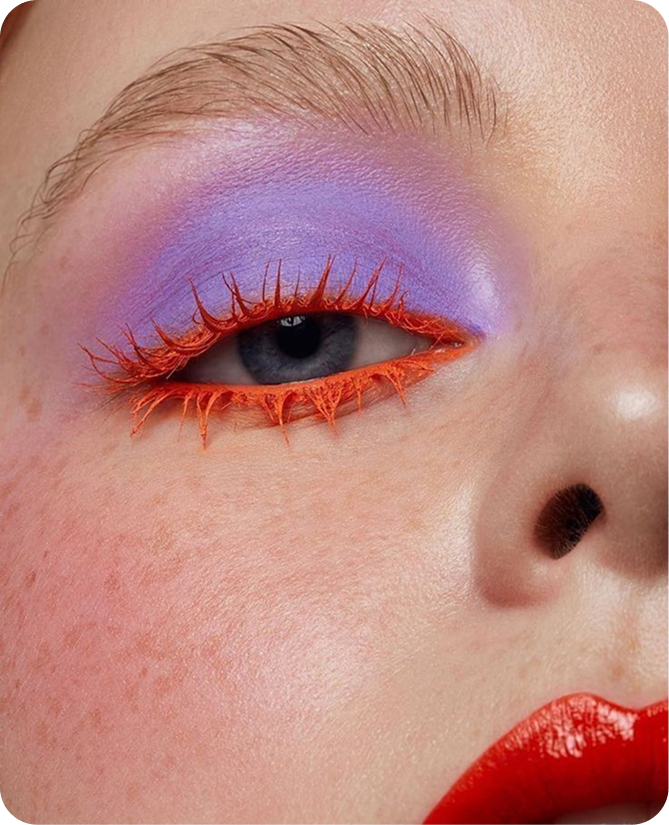 AI 灵感
AI 灵感紫橘撞色眼妆
AI 智能配色方案
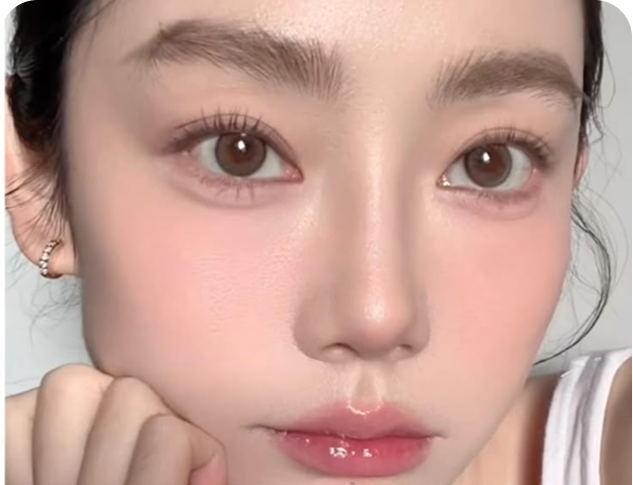 日常妆容
日常妆容清透裸妆
使用 Blend Lab 创作
Create a communication space in a non-traditional social media environment where users can see other users’ personalized aesthetic explorations, rather than the highly modified and optimized “standard beauty” on social media.
VALUE 01
Instead of continuously presenting users with predefined looks, Blend Lab gives them a lower-risk space to explore, compare, and combine makeup elements on their own.
VALUE 02
Each experiment helps users understand how color, placement, proportion, and style relate to their own facial features, allowing experience to accumulate over time.
VALUE 03
The product supports users in forming a more confident and personal definition of beauty, rather than repeatedly returning to creators, trends, or algorithmic recommendations.
This project began as an exploration of AI-generated beauty experiences, but the research revealed a deeper problem: users did not simply need more inspiration. They needed a way to understand and learn from each attempt.
The most important design decision was to move away from automatically matching users with a supposedly “best” makeup look. Instead, I focused on creating an exploratory system that allows users to compare elements, adjust details, and gradually build judgment based on their own facial features.
If I continued developing Blend Lab, I would test how clearly users can connect specific makeup adjustments with visible outcomes. I would also explore how the product could provide lightweight feedback without replacing personal choice with another rigid recommendation system.
This project strengthened my understanding that AI-driven experiences should not only generate answers. They should help users understand the reasoning behind their choices and become more confident decision-makers over time.